The Glamorgan History Walks try to cater for as many tastes as possible in the types of historic site we explore. These are the ones that will appeal to a very specific type of history buff.
If you are the kind of person who thinks Roman remains are a bit modern, then these are the walks for you. However, if you are from the bible belt in America and believe that the world is only 6,000 years old, I will be honest, you are going to struggle.
Glamorgan has some amazing BCE based history to be enjoyed. And it is incredibly varied.
Jurasic rock, fossils and dinosaur footprints

There are sections of rock and cliff face in the Vale of Glamorgan which are made up of ancient layers of sand and mud. Over millions of years they have solidified preserving whatever was left in them. Everything from dinosaur footprints to fossils, all frozen in time. They also frequently yield some incredible specimens which get discovered by people like us. Just walking past.
You get to explore those areas of coast with us on the following walks. Who knows what you might find?
- Dunraven and Ogmore [5th May]… [28th Sept]
- Barry Island [18th May]…[19th June]
- Llantwit Major and the Castle Ditches [12th June]
- Monknash and St Donats [19th July]…[17th Aug]
- Sully and Cosmeston [16th Aug]
The Stone Age and the earliest human remains

We are blessed to have an extra ordinary site here in Glamorgan. Paviland cave on Gower. In the late 19th Century a burial was discovered here which was nick named “the Red Lady of Paviland”. It turned out to be a man but the nick name stuck all the same.
It also tuned out to the oldest burial ever discovered in Britain. Modern dating techniques have aged these remains to 31,000 BCE. A period of history known as the upper Palaeolithic. The earliest date to which we can attribute human life anywhere in the country. When the population of the UK would have been less than 50.
We do not go inside the cave as it can be dangerous, but we take you to where it is on our Port Eynon walk [28th June]
1,000 years older than Stone Henge

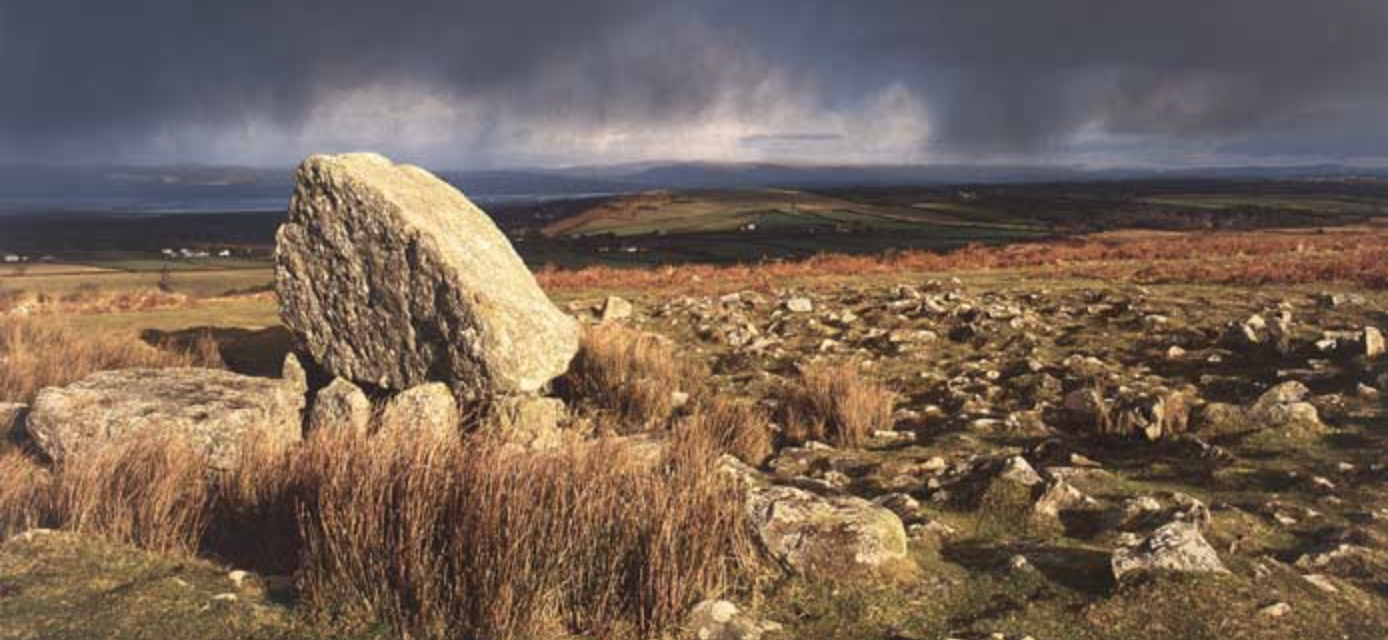
This is not the only ancient burial we visit on our walks. In fact we visit 18 ancient burials and 6 Neolithic monuments. One of the more spectacular ones is Tinkinswood Long Cairn which is pictured above. Most people consider Stone Henge to be pretty old. This is roughly 1,000 years older. Just saying!
These are all our walks that take in Neolithic and Bronze Age burials:
- Llangynwyd [3rd May]…[13th July]
- Barry Island [18th May]…[19th June]
- The Garth [22nd May]…[25th Aug]
- Tinkinswood and St Lythans Burial Chambers [14th June]
- Reynoldston [29th June]
- Pant and Pontiscill [5th July]
- Coity [11th Sept]
- Mynydd Y Gaer [20th Sept]
Iron Age settlements and hill forts

There are 13 Iron Age sites on the various Glamorgan History walks. You can enjoy them on the following:
- Llangynwyd [3rd May]…[13th July]
- Ogmore Castle [8th May]…[15th June]
- Dunraven and Ogmore [5th May]… [28th Sept]
- Llancarfan [25th May] … [14th Aug]
- Llantwit Major and the Castle Ditches [12th June]
- Port Eynon [28th June]
- Craig y Ddinas [20th July]
- Dinas Powys [26th July]
- Monknash and St Donats [19th July]…[17th Aug]
- Ruperra Castle and Plas Machen [3rd Aug]
- Sully and Cosmeston [16th Aug]
- Mynydd Y Gaer [20th Sept]
Come and join us on any of our walks. We’d love to see you.
A full list of walks in this year’s itinerary are available on this link. You can also read reviews of people who took part last year here.
So go ahead. Choose a walk. And I’ll see you there.
